Tired of employees or guests complaining about spotty internet or dropped wireless calls? Have a large area with challenging placement? Whether you're planning a new network or expanding an old one, you need a wireless survey and obstruction assessment for the most effective coverage.
Indoors or outdoors, urban or rural, every environment has different obstacles. Just adding another access point to spot-fix a signal issue can actually degrade performance, not only for you but for everyone around you.
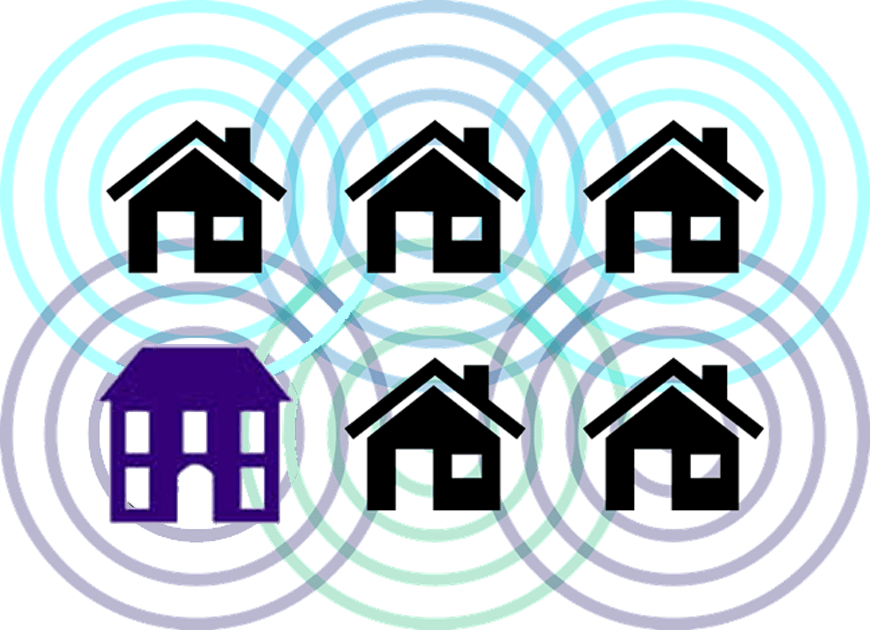
Older networks that grew over the years without oversight almost always end up with access points deployed without accounting for channel overlap, often with consumer-grade hardware used to "spot fix" dead zones.
That leads to excessive same-channel overlap that degrades access so far that even a device a few feet from an access point can be unusable. Even with 5 GHz and 6 GHz, overlap is still a concern, especially with very wide channels and ultra-high-speed data. Multi-gig WAN and gigabit Wi-Fi don't guarantee the performance you expect. A wireless study identifies your own issues and those caused by neighboring networks.
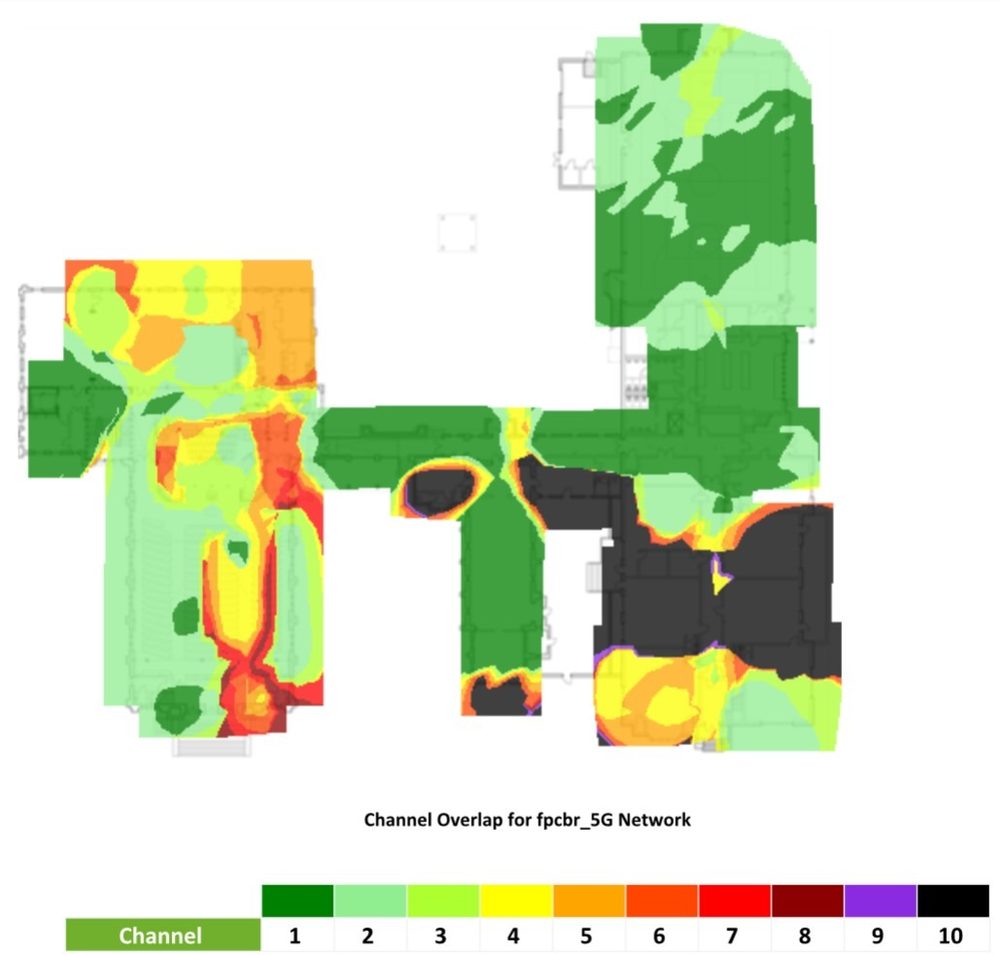
Multistory buildings bring their own challenges. Many people picture Wi-Fi as a two-dimensional product, but an access point on one floor also affects the floors above and below it. How much depends on building materials and placement. It is entirely possible that every access point in a building has RF passing through the same point.
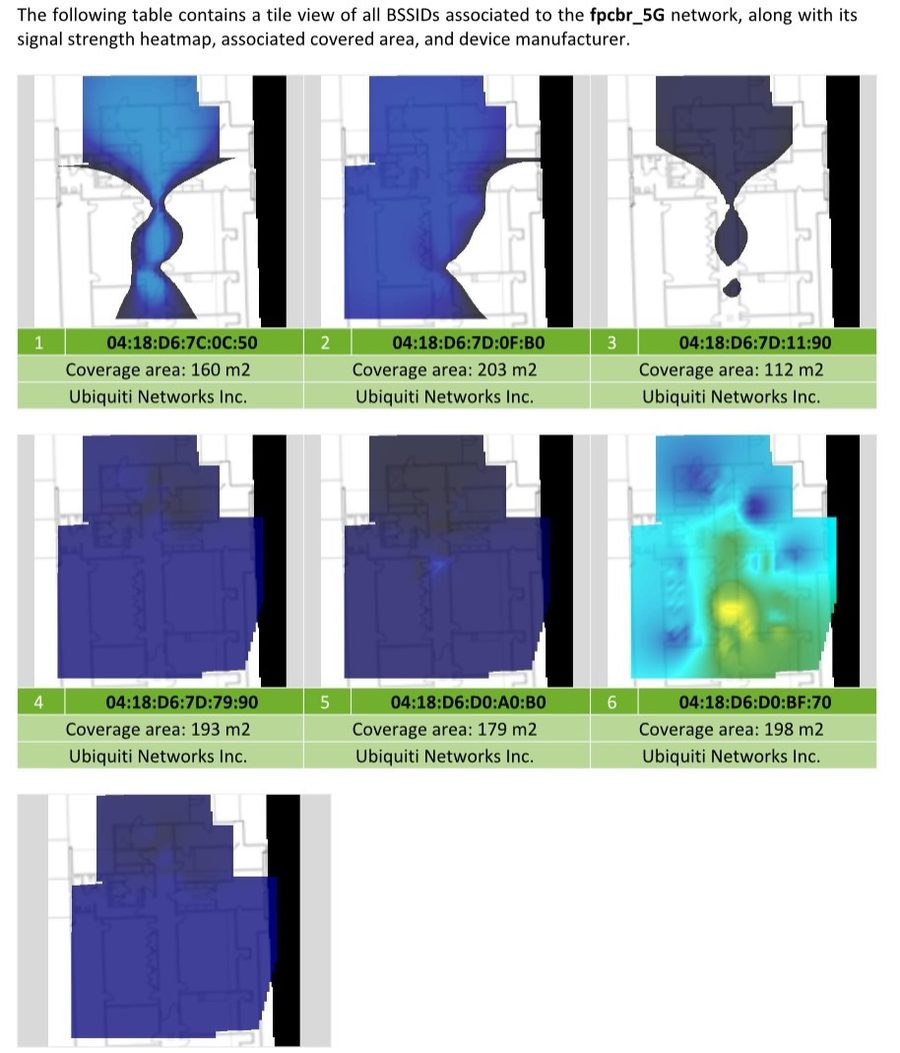
A survey measures the real signal levels so you can see exactly where coverage bleeds between floors.
Floors with a single dedicated access point often have several more reachable, pulling devices onto a less optimal network. A survey that assesses your minimum signal-strength values lets enterprise access points push weaker clients to a better-situated AP.
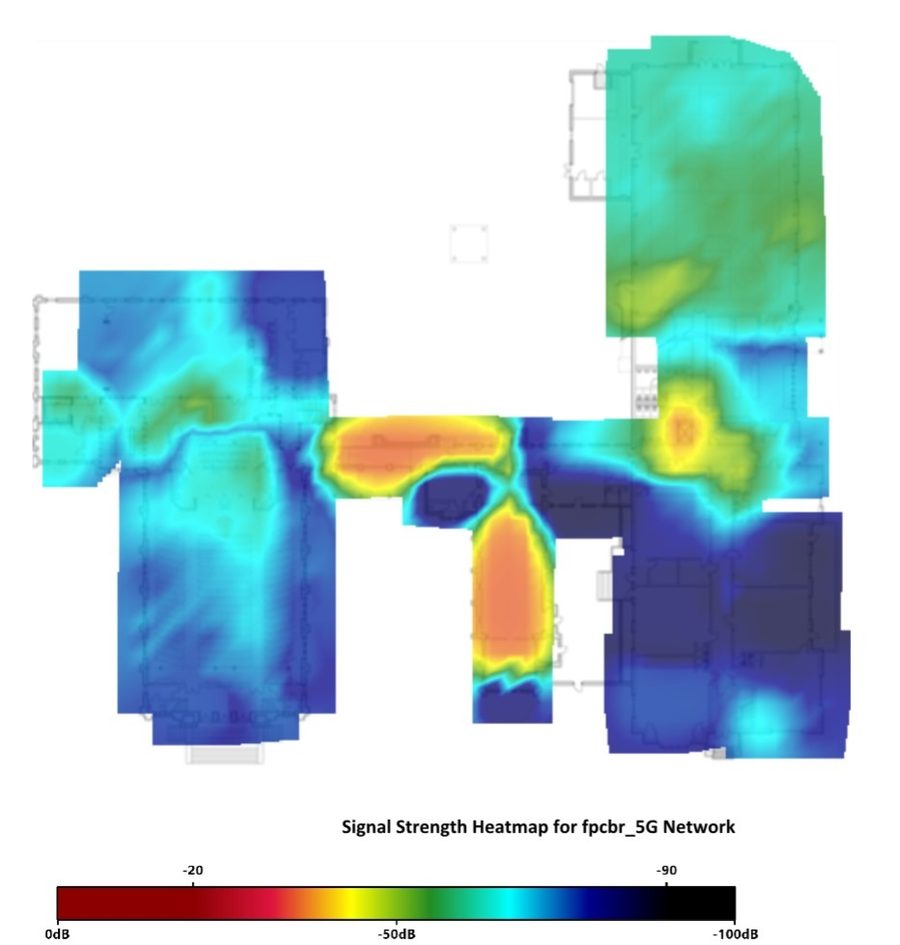
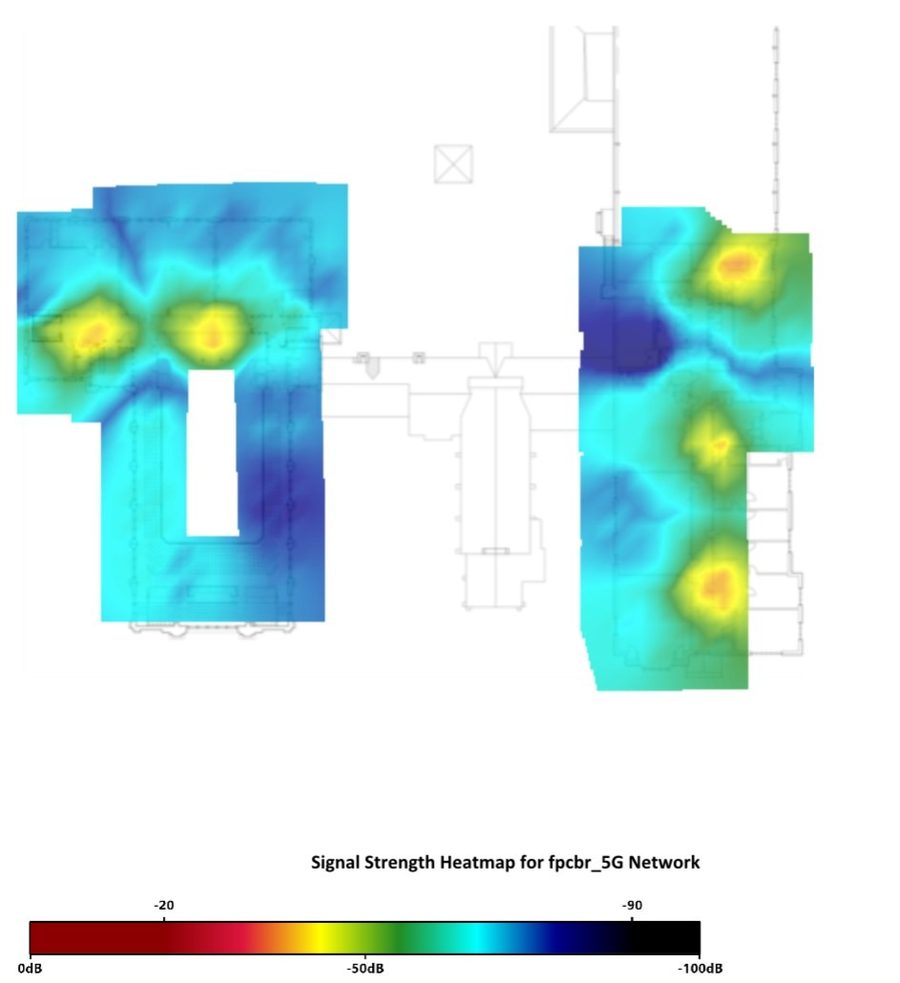
Stable coverage matters for more than browsing. As cellular carriers move to 5G, building penetration can fall, so they lean on Wi-Fi Calling, piggybacking on your wireless network. In some offices, cellular is handled entirely over Wi-Fi, so users need a clean handoff from zone to zone without dropping a call. You don't want to be the power multitasker cut off by an elevator ride.
Outdoor coverage is usually less dense than indoor, but buildings and plants create real blind spots.
Seasonal foliage causes dynamic coverage issues: a tree full of leaves soaks up signal far better than a bare tree in winter. Line-of-sight links have to account for the normally elevated position of each access point: what looks good from the ground isn't always good from the air.
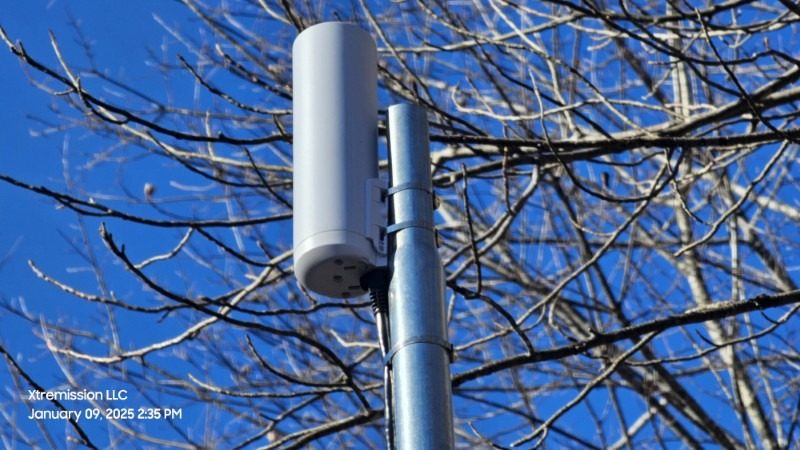
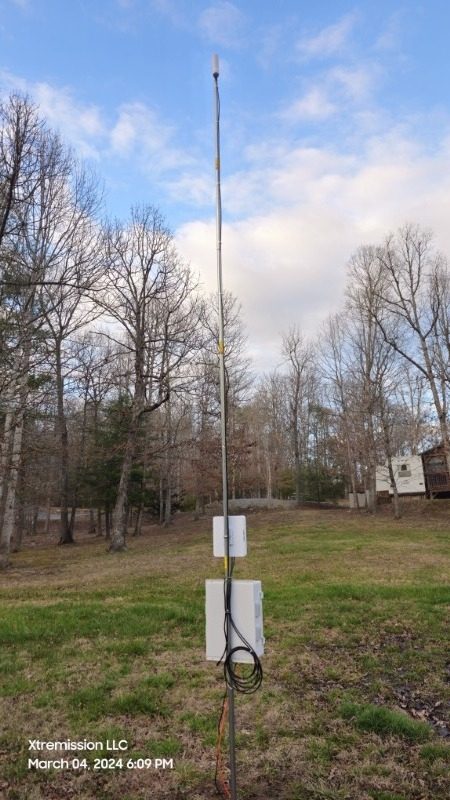
The capability of the access point itself factors into placement. Who are you serving, people on foot or people up high? Can you cover it with mesh and bridges, or do you need to run wire for stability? How many clients per access point? Are you mixing slow IoT devices with fast video streaming? Is AC power available, or should solar be part of the plan? A proper plan made before deployment answers all of it.
 Xtremission LLC